


Most new puppy parents hear two things in the first week: wait until your puppy is fully vaccinated, and start socialization as early as possible. Both pieces of advice come from credible sources. They also directly contradict each other.
We've walked hundreds of puppies in San Francisco. We've also completed well over 100,000 walks with adult dogs across the city. The reactive dogs we work with now are often the under-socialized puppies of a few years back.
What follows is the plan we'd run if it were our own puppy in this city. None of it is medical advice. Talk to your vet about the specific vaccine schedule for your dog.
The socialization window: why 3 to 16 weeks matters
The puppy socialization window is roughly 3 to 16 weeks of age. During this window, a puppy's brain is more flexible at forming positive associations with novel items, people, and other animals, and slower to develop fear responses. After about 12 to 16 weeks, the balance shifts: novel things can start to be scary by default unless the puppy had positive experiences with similar things in the past.
A puppy who gets positive exposure to the normal stuff of city life before 16 weeks often has a stronger foundation for adult confidence. A puppy who only experiences their apartment, their owner, and the vet during that window can have a harder time with the wider world later on. We see this pattern over and over.
The vaccine vs. socialization tradeoff
For decades the standard advice was "no walks outside until your puppy is fully vaccinated, around 16 weeks." That advice prevents disease but can contribute to behavior problems, because it asks you to miss most of the socialization window in the name of safety. The current position from the American Veterinary Society of Animal Behavior (AVSAB) is the opposite: socialize early, with sensible precautions, because the behavioral risk of under-socialization is higher than the disease risk for most pet puppies in low-risk environments.
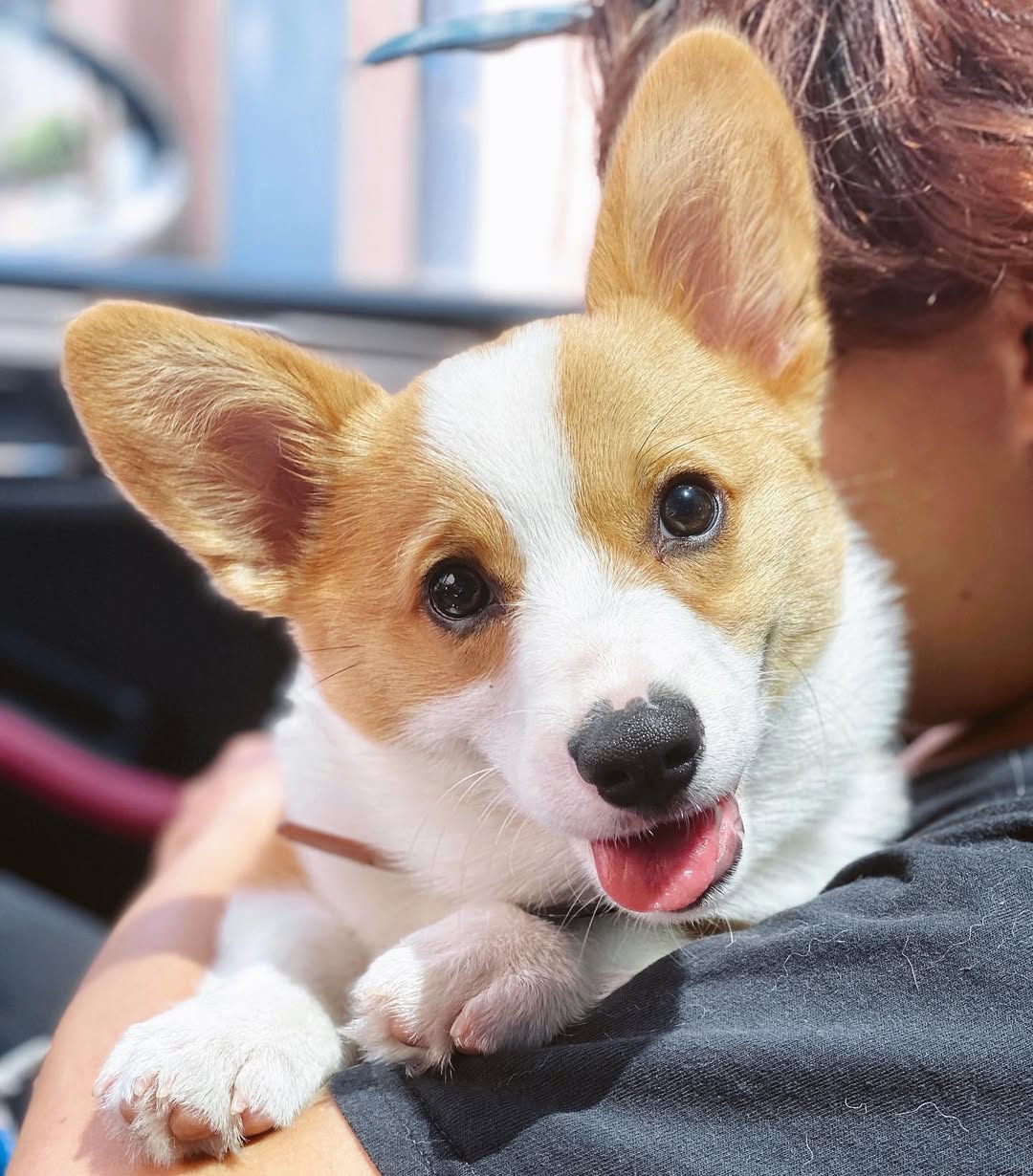
What "sensible precautions" looks like for an SF puppy: carry your puppy in your arms or in a sling for outings before they are fully vaccinated. Avoid heavily trafficked dog areas (off-leash beaches, dog parks, busy sidewalks in San Francisco on a weekend). Visit friends with vaccinated calm adult dogs. Sit on a low-traffic block with your puppy on a blanket and let them watch a few people go by. The risk profile of these activities is very different from letting your unvaccinated puppy run through a public dog park.
A week-by-week plan
Weeks 8 to 10: come home
Most SF puppies come home around 8 weeks. Your job is to make every new thing in the apartment a good experience. Different floor surfaces (tile, rug, hardwood, towel). Different sounds at low volume (doorbell, vacuum, blender, recorded sirens). Different handling (touch the paws, the ears, the mouth, while feeding small treats). Crate, harness, leash on the floor without expectation. For each new thing, let your puppy approach at their own pace and pair the moment with a small treat.
Weeks 10 to 12: invite the world in
Have friends over. As many different people as you'd like to manage. People with beards. People in hats. Tall people. People who don't pay too much attention to the puppy (a common mistake from guests is overwhelming the puppy with affection). Friends with one calm vaccinated adult dog. The puppy doesn't have to interact with everyone; sometimes the best socialization is just watching from a comfortable distance.
Carry your puppy outside for short stroller or sling outings. Sit on a bench at the edge of a quiet park. Walk down a Cole Valley or Noe Valley sidewalk in your arms during a quiet weekday hour. Ride the elevator a few times. Stand in your apartment lobby and let people pass without forcing interaction. The more you can explore and expose, the better.
Weeks 12 to 16: start short walks on the ground
Once you have completed the second round of core vaccines (talk to your vet about timing), most puppies can start short on-the-ground walks in low-risk environments. Quiet residential blocks. Tree-lined sidewalks with light foot traffic. Avoid the dog hotspots (for example: Alta Plaza, the Duboce Triangle dog area, Fort Funston) until fully vaccinated.
Keep these walks short. 5 to 10 minutes is often plenty at this age, and always bring treats. The goal is positive exposure to the city, not exercise. When your puppy notices something new and stays calm, mark the moment with a happy "yes" and a treat.
Weeks 16+: expand carefully
Most puppies finish their core vaccine series around this time. Now you can be more flexible about location, but the socialization mindset stays the same. Keep exposing your dog to new things in positive, manageable doses through about 6 months of age. The puppies we walk who do best as adults had owners who treated months 4 through 9 as the second half of socialization, not a finished phase.
Common missteps for San Francisco puppy owners
- Waiting until 16 weeks to do anything. By the time you start socialization, the window is closing. From week 8, you can start finding safe ways to get your puppy out into the world, whether that's carrying them, using a sling, or sitting outside in a low-traffic spot.
- Going to the dog park first. Public dog parks are uncontrolled, can have inappropriately rough adult dogs, and are one of the more common sources of bad first experiences for puppies in this city.
- Forcing interactions. If your puppy is hiding behind your legs, let them. The exposure is the bench you're sitting on, not the stranger trying to pet them. Pressure to interact produces avoidance.
- Reinforcing fear by accident. When something startles your puppy and they hide, one of the least helpful responses is to pull them out by the leash. The best thing is to calmly move further away from the thing, feed them when they recover, and try again at a comfortable distance later.
- Skipping the sound work. SF has a specific sound profile (cable cars, MUNI trains, garbage trucks, fog horns). Play recordings of these at low volume, paired with treats or meals, from week 8. Your puppy will be much calmer about them at 6 months.
When to bring in professional help
If your puppy is showing real fear of something at any age (cowering, urinating, refusing to eat in the presence of a trigger), get help early. Fear in puppies is much more workable in the moment than fear in adult dogs.
Look for a CPDT-KA, IAABC, or KPA-CTP credentialed trainer who explicitly works with puppies and uses positive reinforcement. Skip any "puppy boot camp" or aversive-based program; the developmental window is a particularly vulnerable time to introduce pain or fear-based methods. You can also look for positive reinforcement puppy classes or schools. If you are not sure where to start, Sniff and Go walkers can help reinforce the basics during the workday, and our training team is available for more targeted work with your puppy.
SF puppy socialization: common questions
When can a new puppy start going on walks outside in San Francisco?
The current AVSAB (American Veterinary Society of Animal Behavior) guidance is that puppies can and should begin socialization outings as early as 7 to 8 weeks, before full vaccination, with sensible precautions. That means carrying them into low-risk environments (sidewalks where dogs are leashed, friends' yards, the entryway of your apartment building), keeping them off heavily trafficked dog areas until fully vaccinated, and prioritizing socialization over isolation. The behavioral risk of under-socialization is much higher than the disease risk for most SF puppies.
What is the puppy socialization window?
Roughly 3 to 16 weeks of age. This is when a puppy's brain is most flexible at forming positive associations with new things. Experiences they have during this window form the template for how they perceive the world for the rest of their life. Missed socialization in this window can be harder to address later. This is why we tell new SF puppy owners to start outings early, not wait until fully vaccinated.
Should I take my puppy to a dog park to socialize them?
Almost never, especially in San Francisco. Public dog parks have unscreened adult dogs of unpredictable behavior, no vaccine verification, and no way to control intensity for a young puppy. A scared or overwhelming first experience in this environment often creates the exact fear and reactivity you are trying to prevent. Better: positive reinforcement puppy classes, supervised playdates with one known calm adult dog, and lots of low-pressure observation from a distance.
How do I socialize a puppy in an apartment in SF?
You bring the world to the apartment and you bring the puppy to the world in small doses. From the apartment: invite different friends over (different ages, hats, glasses, beards, voices), play recordings of city sounds at low volume, vary surfaces underfoot (towel, tile, rug). From the world: short outings to a quiet stretch of sidewalk, sit on a bench at a coffee shop and let your puppy watch the world go by, walk through your apartment lobby and ride the elevator a few times. The goal is positive exposure to lots of normal city stuff, not big stressful events.
How Sniff and Go can help
Daily reinforcement or focused training, both build a confident city puppy.
Sniff and Go walkers come to your puppy each visit and weave in the basics: positive city exposure, leash manners, and confidence-building. For more targeted work on specific skills, our training team offers Dog Day Training or Private One-on-One Dog Training with an experienced trainer.